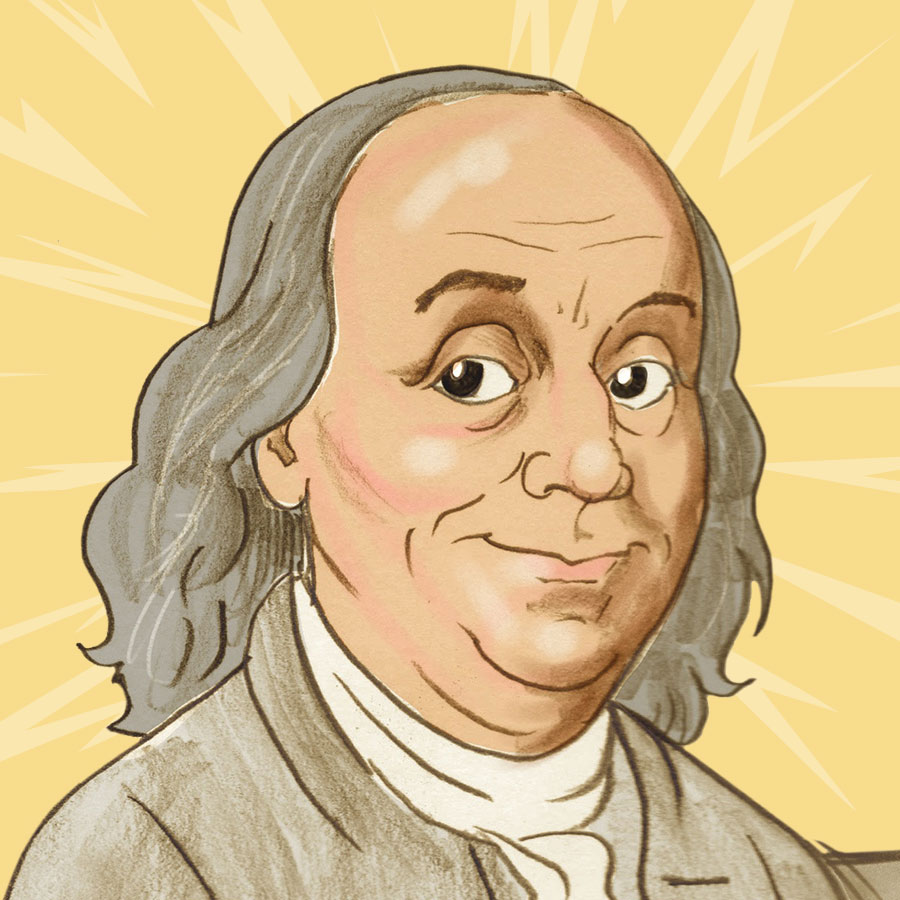
George Washington was called on to save the Republic during its formative years on multiple occasions.
When the Founding Fathers put their signatures on the Declaration of Independence, they faced significant opposition from many colonists who were either loyal to the Crown or simply apathetic. This posed a monumental challenge for General George Washington, who confronted one of the greatest empires in history without the full support of his own nation. His troops often went unpaid, and he lost more battles than he won. Yet, Washington’s ability to keep his army intact during disastrous conditions and to rebound proved nothing short of miraculous.
He secured independence, then was called back to inspire the creation and adoption of the Constitution, and later to ensure its successful operation. Despite being granted great power by his countrymen, Washington relinquished it each time. He chose not to accept a salary, both as General and later as President. When offered an easy third term as President, he declined, fearing the presidency would resemble a monarchy. By doing so, Washington lived up to King George III’s declaration of him to as “the Greatest Man in the World.”
In a departure from European military customs, Washington made the groundbreaking decision to award military badges to ordinary front-line soldiers, honoring their sacrifices in an unprecedented way. This shift elevated the nation’s respect for veterans, a sentiment that continues to resonate today.
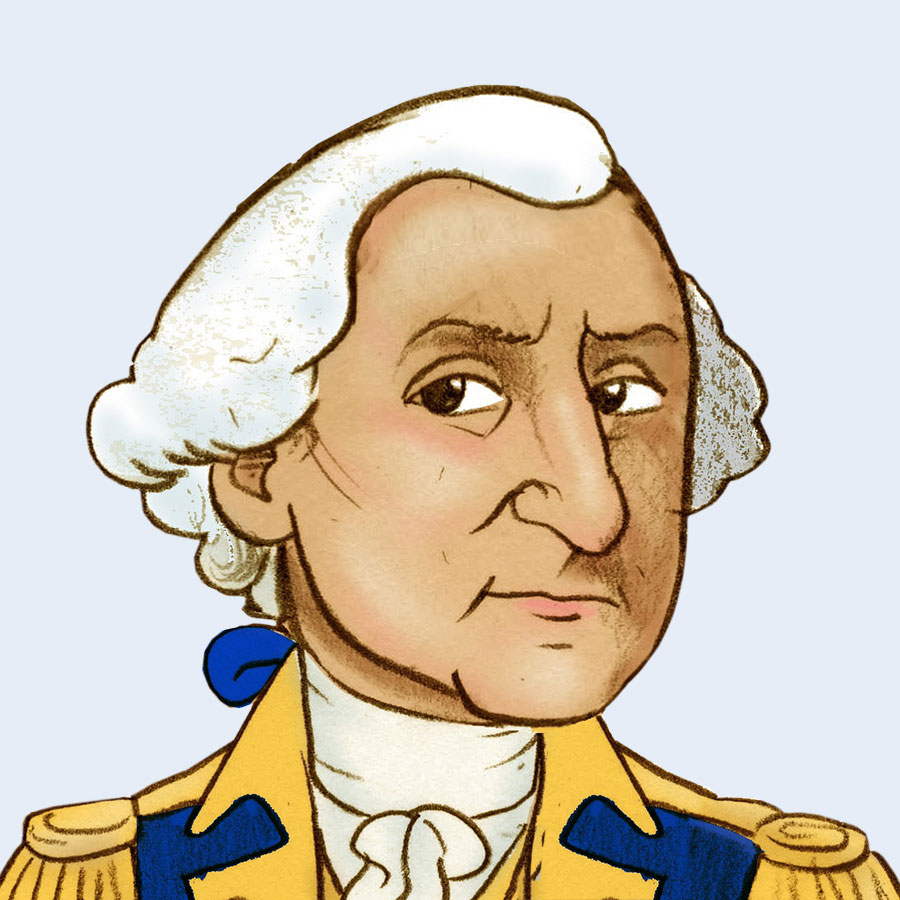
Phillis Wheatley
As a teen African American girl, Phillis Wheatley wrote a poem about the tragedy of the Boston Massacre, which she experienced just outside her home. Her poem became widely popular and courageous, as it was considered a treasonous act against the King.
In heavens eternal court it was decreed
How the first martyr for the cause should bleed
To clear the country of the hated brood
He whet his courage for the common good
Wheatley’s patriotic poetry was so popular that it was sold in Europe. Thomas Paine included her work in his publications, as his books and newspaper were the most prominent voices for the Revolutionary War.
In every human breast, God has implanted
a principle, which we call Love of Freedom;
it is impatient of Oppression, and pants for Deliverance.
Wheatly wrote inspiring poems about General George Washington and the Colonial Army. Washington took time during the war to meet with her in person to personally thank her for her contribution to the war effort.
Shall I to Washington their praise recite?
Enough thou know’st them in the fields of fight.
Thee, first in peace and honours,—we demand
The grace and glory of thy martial band.
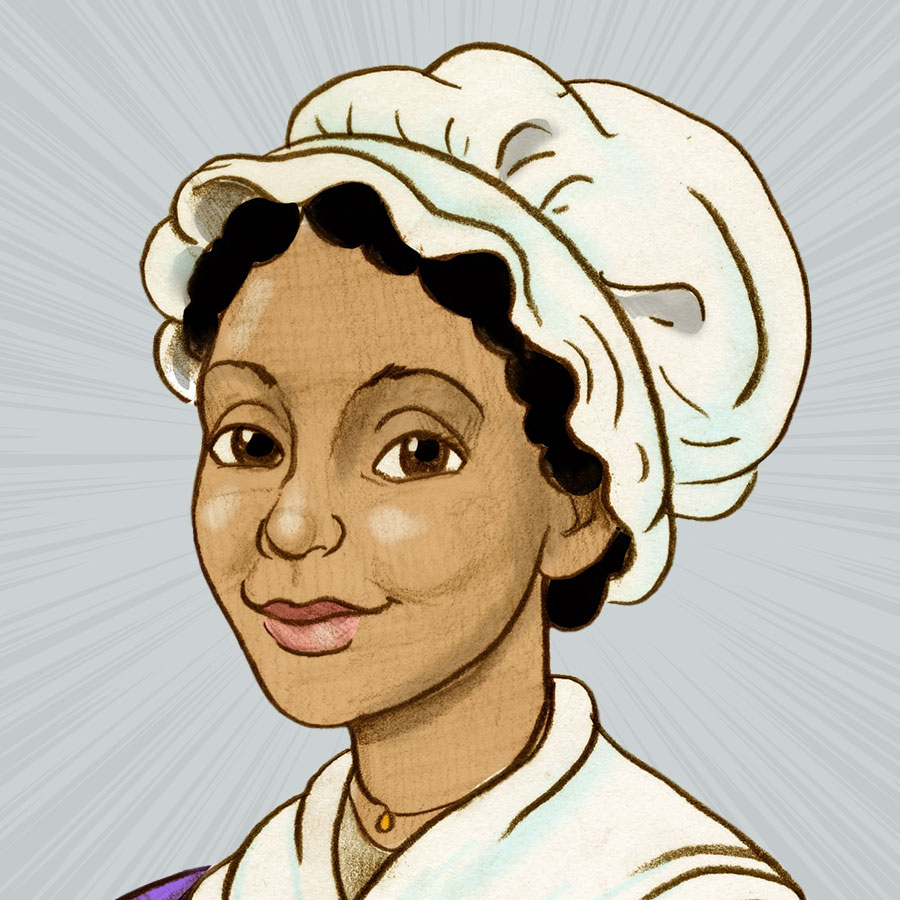
Benjamin Franklin
Benjamin Franklin was not only one of the most famous Americans of the 18th century but also one of the Western world’s most famous figures in the 18th century. The reason: this quintessential American’s stunningly long list of accomplishments in one arena after another.
Franklin’s feats in any one arena alone would have been enough to make him famous, but he made an international name for himself in business, science, innovation, education, statesmanship, printing, and writing. Benjamin Franklin was, in short, a force of nature. Having pulled himself up from dire poverty to great wealth, he retired from business early to devote himself to scientific inquiry and public service. The result was an unmatched roster of achievements. America’s first scientist gained international recognition for establishing the link between lightning and electricity and furthering the new science of electricity. His work there led to his invention of the lightning rod and a battery for storing electricity, but this practical American’s inventiveness didn’t end there.
His inventions included the flexible catheter, bifocals, the Franklin stove, the odometer, and the glass harmonica. When Franklin wasn’t discovering and inventing, he was contributing to his local community, establishing Philadelphia’s first public library and America’s first hospital, volunteer firefighting company, and fire insurance company, as well as founding not one but two premier institutions of higher education in the University of Pennsylvania and Franklin and Marshall College.
Add to this Franklin’s big-canvas contributions to the American cause. He helped draft (and signed) the Declaration of Independence. He is particularly remembered for advocating the “Great Compromise,” which resolved the issue of representation in Congress by creating a bicameral legislature with the House and Senate.
He secured French recognition and financial aid as America’s premier diplomat in Paris, played a key role in negotiating the final peace treaty with Britain, and served as a delegate to the Constitutional Convention. He signed three documents that were crucial to the founding of the United States. And he wasn’t done yet. This former slaveowner founded the Pennsylvania Anti-Slavery Society and petitioned Congress to abolish slavery in the United States. Finally, his autobiography became one of the world’s, and history’s, biggest bestsellers.
Yes, this once-poor boy came to personify “the American Dream,” but he was so much more than that. Benjamin Franklin was and remains an American Renaissance man.